
Atitlan San Pedro La Laguna
Grade SHB
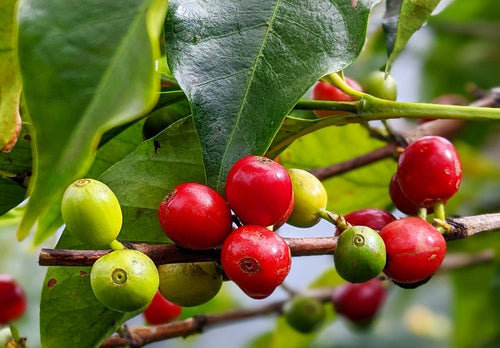
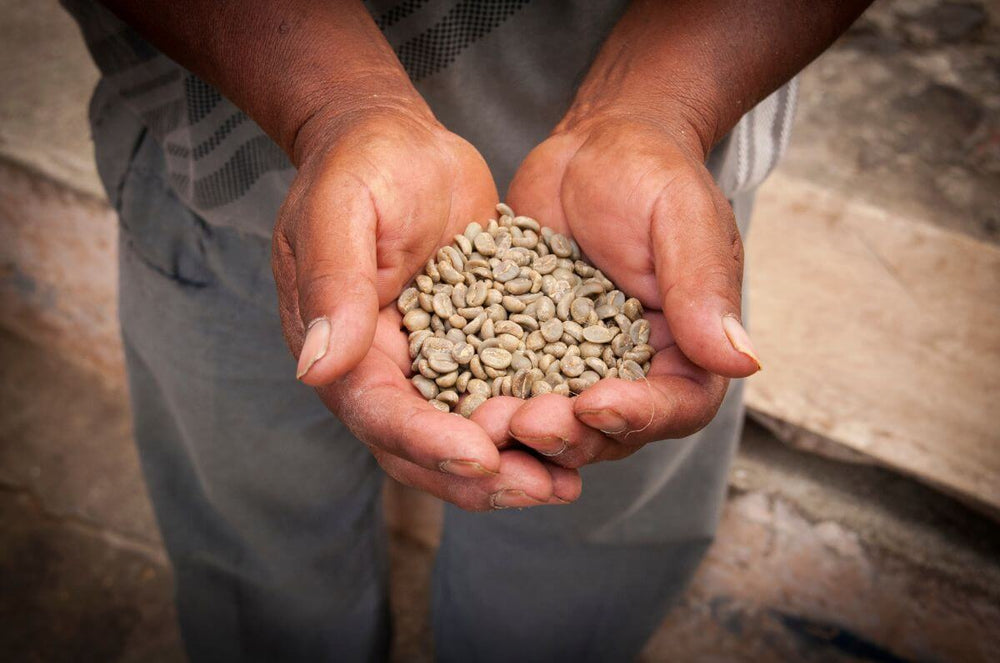
This washed green coffee from San Pedro La Laguna, Atitlán, Guatemala, brings together coffee grown by multiple farmers between 1,500 and 1,800 masl. The lot represents the work of several producers from the same area, combining multiple Arabica varieties into a regional coffee prepared using the washed process.
Prune and dried fruit stand out first, followed by honey, milk chocolate, and sweet bread. Bright acidity gives the cup a juicy, clean character, while a smooth body leads into a lingering finish.
Available in a 69kg bag with GrainPro protection to help preserve freshness, this Guatemala SHB washed green coffee gives roasters a clear expression of San Pedro La Laguna through a structured, high-elevation regional lot.
Direct trade green coffee imported by JA coffee through long-term relationships at origin, for specialty coffee roasters.
What is so special about this coffee?
This coffee comes from San Pedro La Laguna, a coffee-growing community beside Lake Atitlán. Farms in the area grow coffee at high elevations within a volcanic landscape influenced by the conditions around the lake, giving this regional lot a clear connection to a specific part of Atitlán.
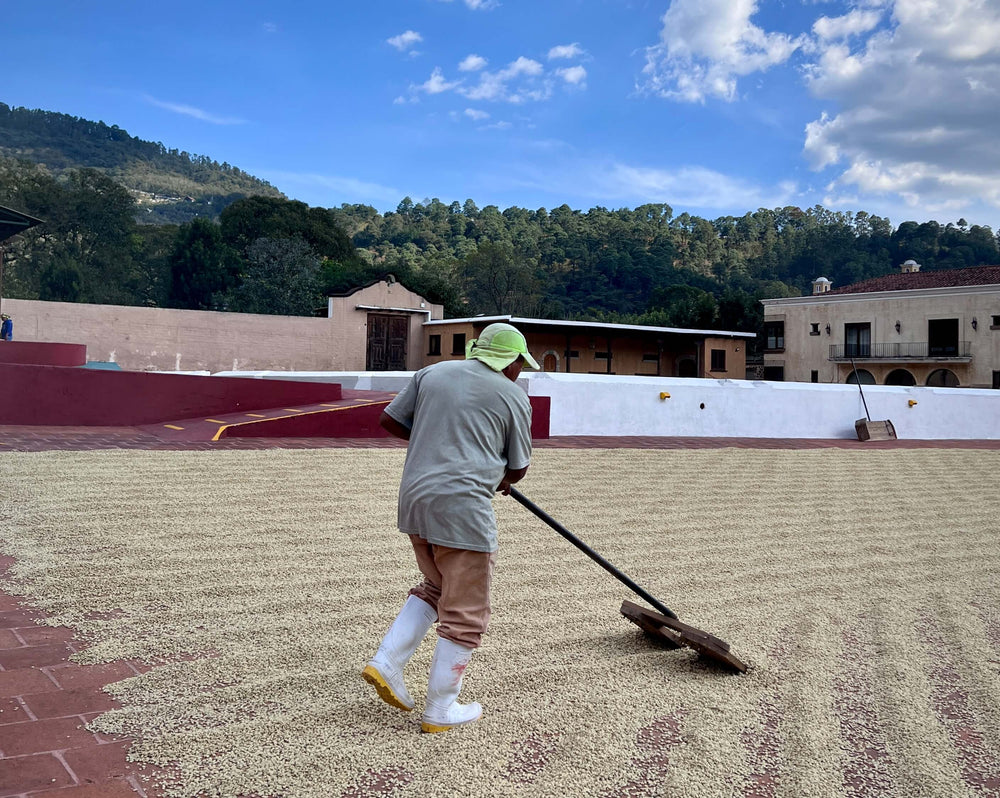
For this coffee, that preparation results in an SHB lot from a specifically defined area within Atitlán, rather than a single-farm separation. It’s a useful example of another side of specialty coffee: quality doesn’t always have to come with a single producer or farm name attached to it.
Guatemala's Coffee Cooperatives
Coffee cooperatives play an important role in connecting Guatemalan producers with specialty markets around the world. By organizing growers around shared infrastructure and export preparation, cooperatives help individual farming families access technical assistance, quality evaluation, and international buyers while maintaining ownership of their farms.
Beyond market access, cooperatives encourage continuous quality improvement through shared agronomic knowledge, centralized milling, and standardized preparation practices. This collaborative structure helps strengthen both coffee quality and long-term resilience across Guatemala's coffee-growing communities while preserving the diversity of regional origins.
The Land Behind San Pedro La Laguna
Lake Atitlán sits inside a volcanic caldera, surrounded by volcanoes and steep terrain that shape the geography of the region. San Pedro La Laguna sits directly along the lake, making its coffee production part of a very defined growing area rather than simply a broad Atitlán designation.
Coffee farming here happens alongside the everyday life of San Pedro La Laguna, where agriculture and the lake are closely connected to the local economy. That context matters for this coffee: behind a regional lot are many individual producers whose harvests eventually come together under the San Pedro La Laguna name.
These beans in details
Bean type
Whole Beans
Grade
SHB
Process
Washed
Cup score
85.5
Cupping notes
Prune and milk chocolate with honey sweetness and a touch of sweet pastry, bright acidity, a structured body, and a clean finish.
Body
Medium
Aftertaste
Pleasant Clean Finish
Acidity
Bright
Balance
Juicy and Balanced
Best for
Filter and Pour Over
Recommended Roast
Medium
Producer
Guatemalan Coops// Guatemalan Coops
Origin
Guatemala
Region
Atitlan
Surrounding vegetation
Native Trees
Elevation
1600
Varietal
Multiple
Product Type
Green Coffee Beans - Wholesale


