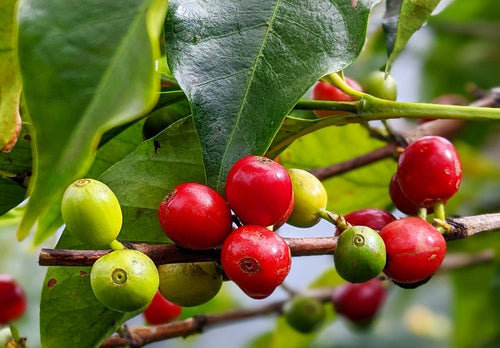

Atitlán Honey
Grade SHB EP
This honey-processed green coffee from Atitlán, Guatemala, brings together the work of multiple farmers growing coffee between 2,250 and 2,500 masl. Several Arabica varieties come together in a regional lot shaped by the harvests of producers across Atitlán. During processing, part of the coffee’s mucilage remains on the parchment as it dries, a small but important detail behind the final cup.
Caramel and nougat lead the cup, followed by mandarin, vanilla, chocolate, walnut, and cinnamon. The profile is clean and sweet, with soft acidity, a smooth body, and a long, lingering finish.
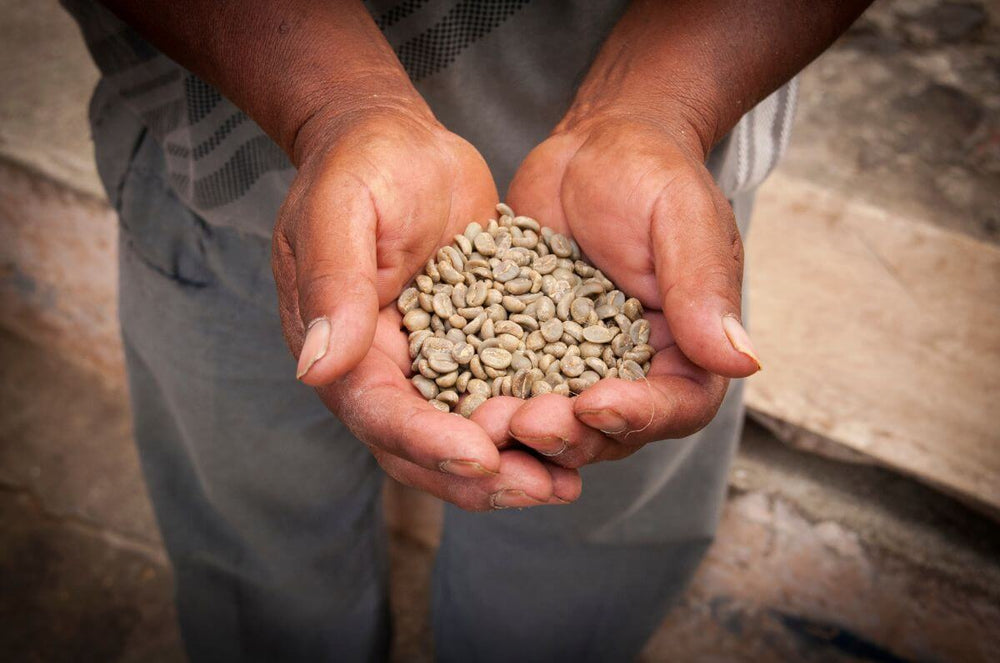
Available in a 69kg bag with GrainPro protection to help preserve freshness, this Guatemala SHB honey green coffee offers roasters a high-elevation regional lot with a clean, sweet profile and a less conventional processing style for Guatemala.
Direct trade green coffee imported by JA coffee through long-term relationships at origin, for specialty coffee roasters.
What is so special about this coffee?
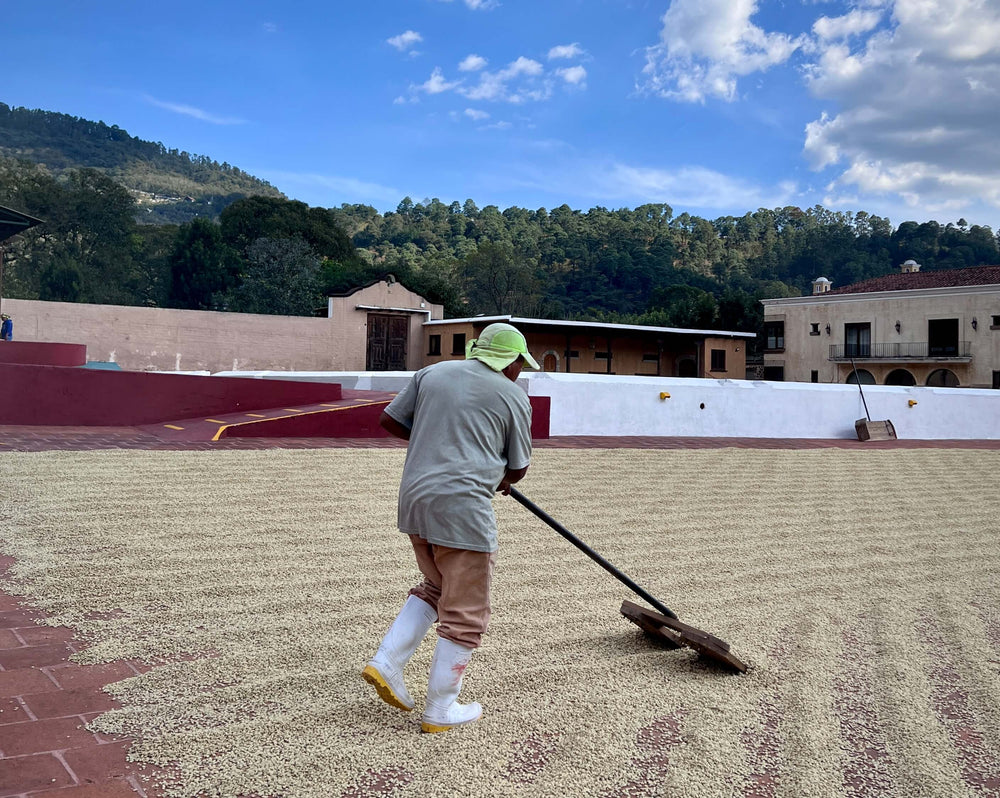
The honey process sits between washed and natural processing in terms of how much fruit remains with the coffee during drying. After the cherries are depulped, some of the mucilage is intentionally left on the parchment as the coffee dries, rather than being fully removed before drying as it typically would be in a washed process.
For this Atitlán lot, that processing method is paired with an SHB preparation, a Guatemalan grade associated with coffees grown at higher elevations. Together, the process and preparation give roasters two useful pieces of information about how this coffee was produced and classified before it reaches the cupping table.
Guatemala's Coffee Cooperatives
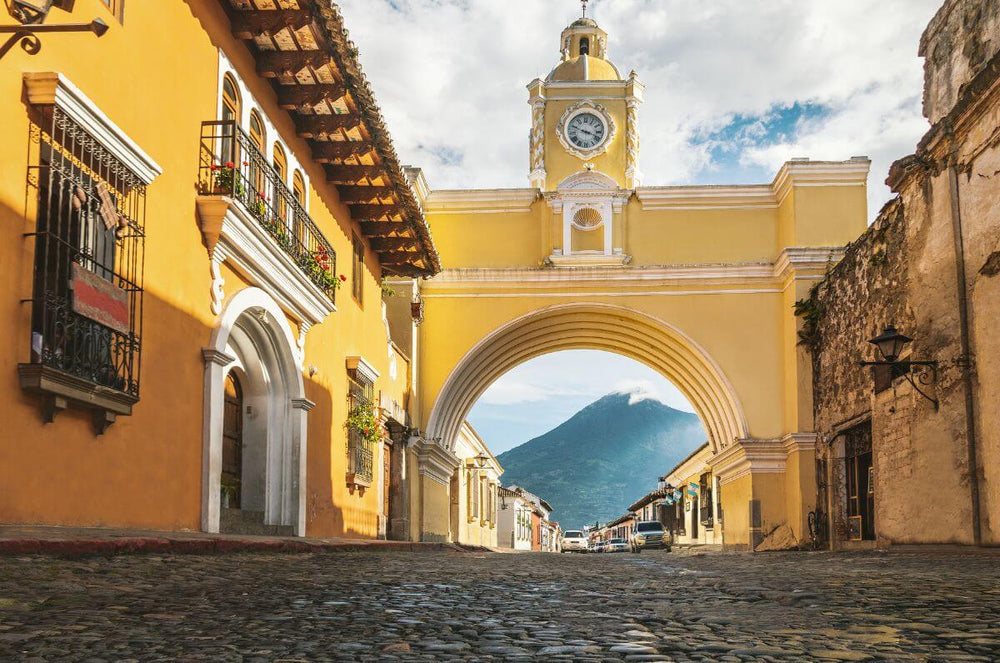
Coffee cooperatives play an important role in connecting Guatemalan producers with specialty markets around the world. By organizing growers around shared infrastructure and export preparation, cooperatives help individual farming families access technical assistance, quality evaluation, and international buyers while maintaining ownership of their farms.
Beyond market access, cooperatives encourage continuous quality improvement through shared agronomic knowledge, centralized milling, and standardized preparation practices. This collaborative structure helps strengthen both coffee quality and long-term resilience across Guatemala's coffee-growing communities while preserving the diversity of regional origins.
The Land Behind Atitlán
Atitlán is one of Guatemala’s distinctive coffee-growing regions, shaped by the volcanic landscape surrounding Lake Atitlán. Coffee grows in volcanic soils, with the lake and surrounding mountains influencing the region’s local climate.
The combination of high elevation and cooler growing conditions allows coffee cherries to mature more slowly. For this lot, those growing conditions are paired with an SHB classification, a designation used in Guatemala for high-elevation, dense green coffee.
These beans in details
Bean type
Whole Beans
Grade
SHB EP
Process
Honey Process
Cup score
83.5
Cupping notes
Chocolate and walnut with caramel, mandarin, and vanilla, soft acidity, a medium body, and a smooth, lingering finish.
Body
Medium
Aftertaste
Smooth and Sweet
Acidity
Mild
Balance
Sweet Aromatic
Best for
Filter and Espresso
Recommended Roast
Medium
Producer
Guatemalan Coops// Guatemalan Coops
Origin
Guatemala
Region
Atitlan
Surrounding vegetation
Native Trees
Elevation
2300
Varietal
Multiple
Product Type
Green Coffee Beans - Wholesale


