
Sumatra, Aceh, Wet Hulled
Grade TP Grade 1
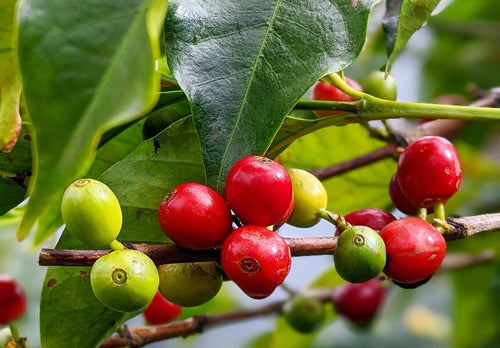
This Grade 1 Arabica coffee from Sumatra, Indonesia is grown by smallholder farmers between 1,100 and 1,500 masl, with Catimor and Typica making up the varieties. The coffee is processed using Giling Basah, Indonesia’s traditional wet-hulled process, followed by sun drying, and is triple picked for additional sorting and selection before export.
Chocolate and sweet spice lead the cup, followed by herbal and clean earthy notes. Mild acidity keeps the profile rounded, while a creamy body and lingering finish give this Sumatra plenty of depth without losing clarity.
Available in a 60kg bag with GrainPro protection to help preserve freshness, this Indonesia Grade 1 wet-hulled green coffee offers roasters a classic Sumatra profile with chocolate, spice, mild acidity, and a creamy body.
Direct trade green coffee imported by JA coffee through long-term relationships at origin, for specialty coffee roasters.

What is so special about this coffee?
This coffee combines Giling Basah with a triple-picked Grade 1 preparation. In the wet-hulled process, the parchment is removed while the coffee still contains more moisture than in conventional washed processing, before the beans complete their drying. For this lot, the coffee is then sun-dried as part of its preparation.
After processing, the coffee is triple picked for additional sorting and selection. This extra preparation adds another quality-control step before export, making it particularly relevant for roasters looking for a classic wet-hulled Sumatra with more attention to green coffee preparation.

About Coffee Cooperatives in Indonesia
Across Indonesia’s coffee growing regions, cooperatives bring together smallholder farmers, many of whom manage small farms with their families. Each farm has its own routines and decisions, shaped by local growing conditions and knowledge built over years of cultivation. Cooperatives connect these individual growers through a shared organisation while keeping farming rooted in their communities.
Depending on the cooperative, that support can include access to processing facilities, training, shared equipment, and buyers. Working together gives farmers a way to address needs that can be difficult to manage individually, from preparing their harvests to finding a market for their coffee. Members contribute both their production and their experience, making the cooperative’s work part of the everyday business of growing and selling coffee.

About Sumatra’s Coffee Growers
Smallholder farmers are central to coffee production in Sumatra, within an Indonesian coffee sector built largely around small farms. Family members often share the work of maintaining the trees, while harvesting can involve neighbours working across farms in turn. Coffee production here depends on that practical coordination: people making time for their own plots and helping bring in the harvest around them. This regional selection brings together individual growers’ work, with each farm contributing to the coffee that carries the Sumatra name.
These beans in details
Bean type
Whole Beans
Grade
TP Grade 1
Process
Wet hulled
Cup score
82.0
Cupping notes
Fruity, Orange citrus, gentle herbal earthiness, with long clean smoky finish.
Body
MediumSyrupy
Aftertaste
Dark Chocolate Finish
Acidity
Low to Medium
Balance
Balanced
Best for
Espresso and French Press
Recommended Roast
Medium
Producer
Indonesian Coops //
Origin
Indonesia
Region
Nothern Sumatra
Surrounding vegetation
Shade Trees and Native Trees
Elevation
1200
Varietal
CatimorTypica
Product Type
Green Coffee Beans - Wholesale


