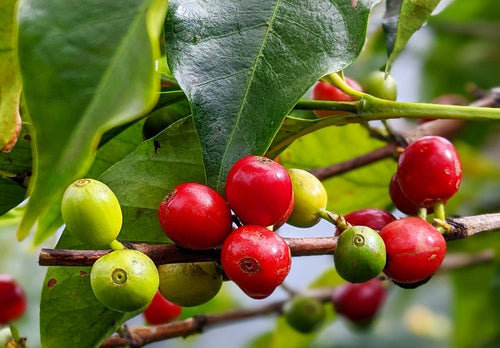

Sugar Cane Decaf
Grade Excelso
Colombian Decaf Excelso is sourced from multiple smallholder farmers across different coffee-growing regions in Colombia, where varied altitudes and microclimates contribute to a well-rounded and balanced profile. This lot undergoes a sugar cane (EA) decaffeination process, a method widely used in Colombia that removes caffeine while preserving the coffee’s intrinsic structure and sweetness.
In the cup, this coffee shows notes of cocoa, brown sugar, and caramel, with soft vanilla tones and subtle hints of red fruits and apple-like freshness. The acidity is mild and well-integrated, while the body is round and creamy, leading to a clean, sweet finish.
Available in 70kg bags with Grain-Pro bags for optimal preservation, this coffee is well suited for both espresso and filter applications. Its balanced profile and low caffeine content make it especially versatile, performing consistently across different roast styles while maintaining clarity and sweetness; making it a reliable decaf option to round out a roaster’s lineup without compromising on cup quality.
Direct trade green coffee imported by JA coffee through long-term relationships at origin, for specialty coffee roasters.
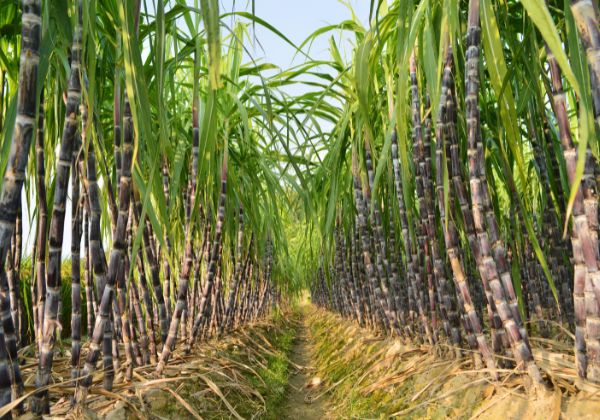
What is so special about this coffee?
The decaffeination process used for this coffee is based on ethyl acetate derived from sugar cane, a method developed and widely applied in Colombia. This approach allows caffeine to be removed while maintaining much of the coffee’s original structure, avoiding the flat or muted profiles often associated with other decaffeination techniques. By working with a locally integrated process, traceability and consistency are also reinforced throughout the supply chain.
What makes this coffee particularly valuable for roasters is its balance and reliability. Rather than presenting an overly simplified or hollow cup, it retains sweetness, body, and a recognizable Colombian profile, making it easier to integrate into different roasting approaches. Whether used as a standalone decaf offering or as part of a broader lineup, it provides a stable and repeatable result with a clean and approachable character.
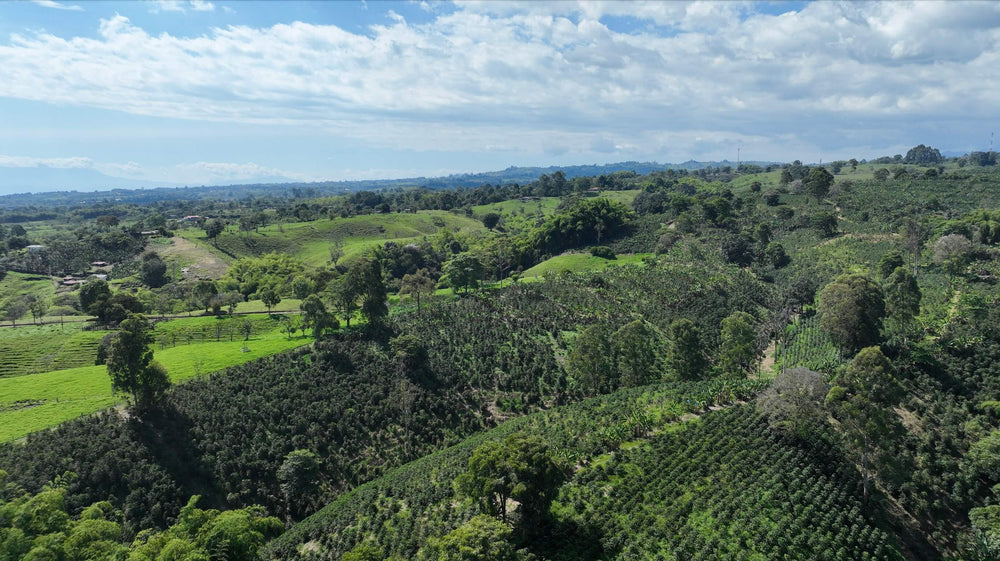
Community, Quality, and Sustainability in Every Cup
Colombian coffee coops bring small farmers together, helping them make better coffee and have a more significant say in the market. By working together, they can grow high-quality coffee using the best farming techniques.
These coops care about the environment, using sustainable practices to protect the land. They also invest back into their communities, supporting local projects and education. This community-driven approach means that by drinking a cup from a Colombian coop, you get a rich and flavorful coffee and support a system that helps everyone involved.
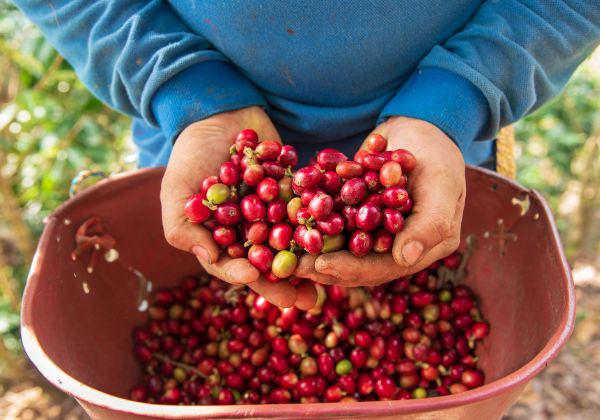
About Colombian Coffee
Colombian coffee, deeply rooted in the nation's tradition and pride, began its journey in the early 18th century. The coffee here has unique flavours thanks to the Andes Mountains and regular rain, but it's the cooperatives that truly shaped its legacy. Small farmers teamed up to form groups called cooperatives to face business challenges. These groups promoted quality, sustainability, and community welfare. Today, they remain vital, producing some of the world's most exquisite coffees, symbolizing the union of Colombia's fertile lands and dedicated communities.
These beans in details
Grade
Excelso
Process
Decaffeinated
Cup score
85.7
Cupping notes
Cocoa and brown sugar sweetness with notes of cassis and apple, complemented by subtle vanilla and a smooth, balanced finish.
Body
Medium
Aftertaste
SmoothCocoa-likeFruity
Acidity
Medium
Balance
Balanced
Best for
Espresso and Filter
Recommended Roast
Medium
Producer
Colombian Coops// Multiple farmers
Origin
Colombia
Region
Multiple Regions
Surrounding vegetation
Plantain, Shade Trees, and Fruit Trees
Elevation
1800
Varietal
Multiple
Product Type
Green Coffee Beans - Wholesale


